
Why your Vaginal Microbiome matters during Pregnancy
Maintaining a healthy balance of good bacteria in your intimate area is essential for every woman’s wellbeing. During pregnancy, this becomes even more important as any imbalance can potentially affect your growing baby. Unfortunately, this topic is not always discussed during prenatal care, leaving many expectant mothers unaware of how to protect themselves and their babies.

Understanding Your Vaginal Microbiome
Your vagina naturally contains beneficial bacteria (called vaginal flora) that work together with an acidic pH level and natural discharge to form a protective barrier against infections. These good bacteria keep your vaginal environment acidic, fight off harmful bacteria, and produce substances that eliminate bad bacteria
This natural defence system is essential for maintaining vaginal health.
Changes During Pregnancy
During pregnant, your vaginal microbiome undergoes natural changes. Research shows that levels of Lactobacillus (a beneficial bacteria) typically increase during pregnancy. This is a healthy response that helps: - Maintain the acidic pH of your vaginal environment - Prevent harmful bacteria from multiplying - Support the health of both mother and baby
However, pregnant women are also more vulnerable to disruptions in their vaginal microbiome. This makes it especially important to practice good hygiene, avoid products that disrupt pH balance and most importantly seek medical advice immediately if you notice any signs of infection
Risks of Vaginal Infections During Pregnancy
Untreated vaginal infections during pregnancy can lead to serious complications, including miscarriage, premature birth or fetal complications
Studies also indicate that elevated pH levels, even without an active infection, could increase the risk of preterm birth.
Group B Streptococcus (GBS)
Pregnant women need to be particularly careful about Group B Streptococcus. If left untreated, GBS could cause premature birth, newborn meningitis, pregnancy loss, Urinary tract infections or postpartum infections.
A healthy bacterial balance provides natural protection against GBS.
Impact on Your Baby’s Health
Dr. Rebecka Kaplan, a specialist in gynecology and obstetrics, explains that during vaginal birth, babies are naturally exposed to their mother’s microbiome. This exposure provides essential bacteria that help develop the baby’s immune system.
What Disrupts Your Vaginal Microbiome?
1. Antibiotics
Antibiotic treatment can disrupt both gut and vaginal bacteria by reducing beneficial bacteria populations.
2. Stress
Stress and emotional wellbeing can influence your gut microbiome, which in turn affects your vaginal microbiome.
3. Sexual Activity
Intercourse can introduce new bacteria into the vagina and alter the microbiome composition.
4. Hygiene Practices
Improper intimate hygiene can disrupt the natural bacterial balance and pH levels.
How to Protect Your Vaginal Microbiome
Managing Antibiotic Use
• Only take antibiotics when medically necessary
• Consider probiotic supplements containing Lactobacillus and Bifidobacterium strains to restore gut bacteria
• Include naturally fermented foods like yoghurt and kefir in your diet
• Eat foods rich in prebiotic fibres: onions, garlic, leek, bananas, and asparagus
Managing Stress
While easier said than done, try to incorporate stress management techniques into your daily routine during pregnancy.
Sexual Hygiene
• Ensure good hygiene for both partners
• Use a natural lubricant to prevent micro-tears (which can harbour bacteria)
• Wash and urinate after intercourse
Daily Intimate Hygiene
• Always wipe from front to back
• Cleanse the vulva 1-2 times daily
• Using suitable cleansing products
The Right Way to Cleanse Your Intimate Area
Dirt and bacteria can accumulate within the folds of the vulva, potentially causing infections if not cleaned properly. However, regular soaps, even gentle ones, can disrupt your pH balance and beneficial bacteria.
The solution? Use a plant-based, organic oil for cleansing.
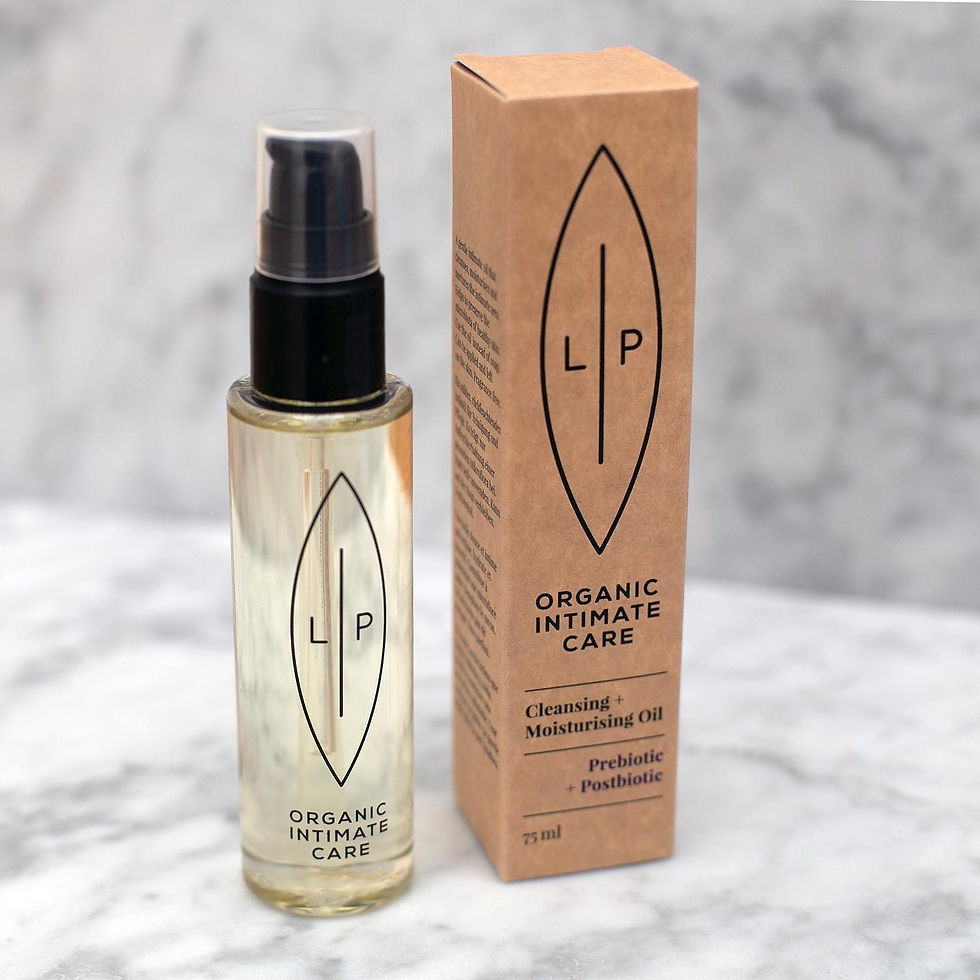
Our Cleansing + Moisturising Oil Prebiotic + Postbiotic is the first intimate cleanser to receive the Kind to Biome certification, and it has been scientifically proven that it does not harm your natural bacterial balance.
Dr. Rebecka Kaplan advises “Incorrect or overly frequent washing of the vulva during pregnancy can disrupt lactobacilli and create conditions for complications. Cleansing 1-2 times daily is adequate for most women.”
Taking care of your intimate health during pregnancy is one of the most important things you can do for yourself and your baby. By understanding and protecting your vaginal microbiome, you are giving your child the best possible start in life.


Comments